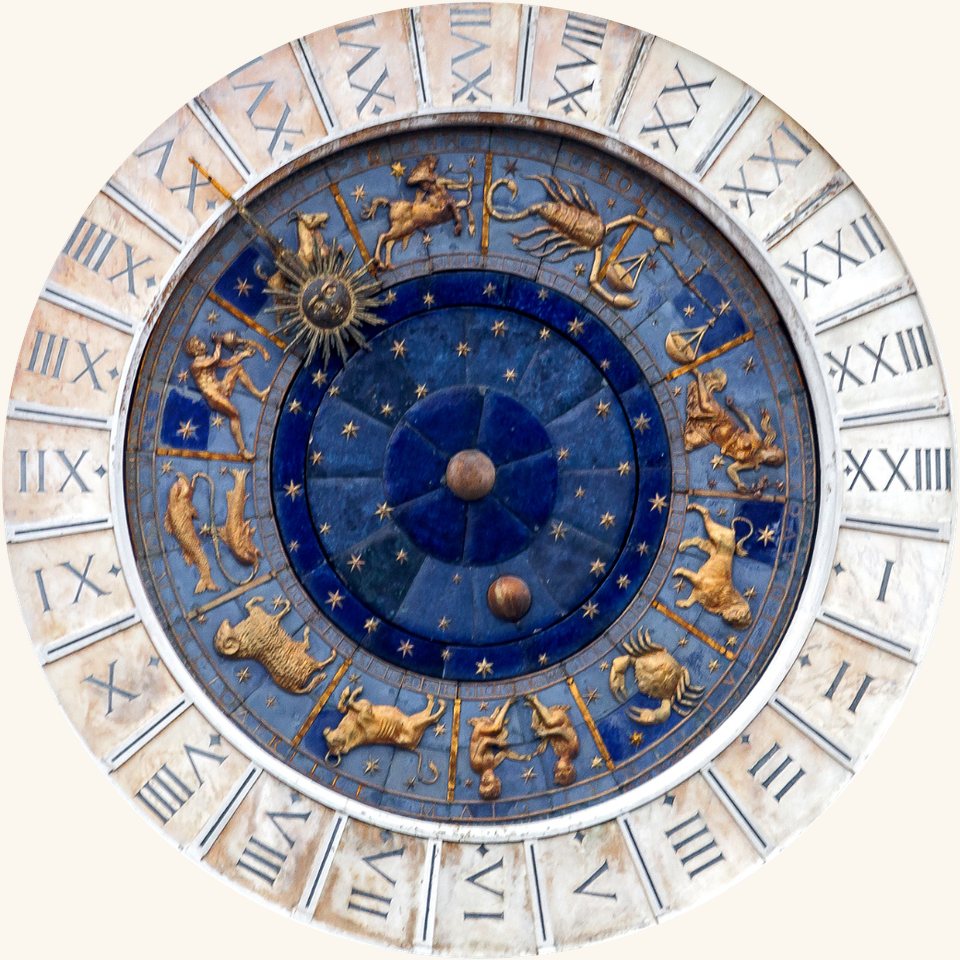
The 1st house is the house of the self. It shows how you present yourself to the world, the first impression you make, the body you live in and the way you begin things. In the birth chart it opens at the Ascendant, the point of the zodiac that was rising on the eastern horizon at the moment you were born, and everything the chart says about the rest of your life is read from it.
Imagine walking into a room full of strangers. Before you say anything, you have already been read by the others: your posture, your gaze, the rhythm of your steps. The 1st house is that territory, what arrives before you do, and many people find that others describe them in a way that does not match what they feel inside. Astrology calls that front door the Ascendant.
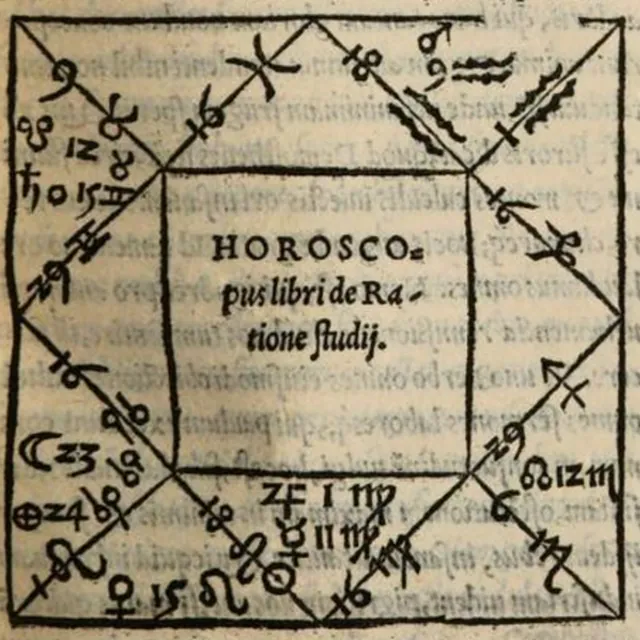
The Hellenistic astrologers called the first place the horoskopos, the word that gave us our horoscope and that means something like the one who watches the hours. It was the place of life and of the body, and the reading of all the others depended on it. Tradition also says that Mercury rejoices in this house, one of the so-called joys of the planets, and that this fits a first place that speaks, observes and adapts.
The 1st house is an angular house, like houses 4, 7 and 10, and traditional astrology reads the angular houses as the most visible in the chart. Its opposite is the 7th house, the house of the other, and so the two form a pair: what you are facing the mirror and what you meet on the other side. The oldest symbolic association of the 1st house is with Aries and Mars, the beginning and the impulse, a reading of symbols that does not mean Aries is in your 1st house. The sign that opens it depends on your chart, and the planet that rules that sign, the ruler of the Ascendant, is one of the most useful clues for reading who you are.
Saint Augustine wrote in the Confessions: “I became a question to myself.” The sentence works as a doorway into the 1st house. Before any answer about who you are, astrology invites you to ask how you present yourself, what you show without meaning to and what you keep behind the first impression. What if the person others see is a true part of you?
The themes that tend to appear here are the body, appearance, temperament, vitality and the way you take initiative. Whoever has the Sun in the 1st house is usually read as someone who takes the front seat, and the Moon in the 1st house can leave the mood visible on the face. With Saturn in the 1st house, seriousness can arrive before the person does, and many people with this placement say they were treated as adults early on. These are paths of reading, and the whole chart confirms or corrects them.
The 1st house also has neighbors that get confused with it. The Ascendant is the first impression, the Sun is the essence that builds over time, and the Moon is the emotional need. A person can have a discreet Ascendant and a shining Sun, and those who know them from afar and up close describe two different people. Reading the 1st house together with these pieces avoids attributing to it what belongs to another, and it is a good reason to look at the whole chart.
To know which is your 1st house, the chart needs your time of birth. Without it houses do not exist, and a chart that shows houses without asking for the time is making that part up. That is why we ask for the birth certificate, and there is a whole text about the case of those who say I do not know what time I was born. The 1st house begins at the Ascendant, the point where the zodiac crosses the eastern horizon, and runs to the start of the 2nd house. If you know your rising sign, you already know which sign the 1st house opens with. In quadrant house systems, such as Placidus, it begins exactly at that point; in whole-sign systems, it is the entire sign in which the point falls.
With the chart in hand, it is worth asking three questions. Which sign opens the 1st house? Which planets live in it? And where is its ruler? Imagine the 1st house opens in Libra: the ruler is Venus, and if Venus is in the 10th house, the person's public image may blend with their career. If it opens in Scorpio, the traditional ruler is Mars, and the intensity others feel may have to do with where Mars is. These combinations are hypotheses, and the rest of the chart tests them.
A 1st house with no planets is not a person without presence. Astrology reads an empty house through the sign that opens it and through its ruler, and every chart has empty houses. Often a person's presence comes from the sign of the Ascendant and the planet that rules it, and the planets living in the house only add detail.
A house on its own does not tell you who you are. This text speaks about the 1st house in general, and what it means for you depends on the sign, the planets, the aspects and the rest of the chart. If you want a broader picture, the 12 Houses Chart reads the 1st house together with the other eleven, and Personality and essence deepens your way of being. Whoever does not yet have the drawing of their own chart can generate the free birth chart and see which sign the Ascendant falls in.
If the 1st house is the front door, what would you like people to notice about you before you say a single word? And what, in that first impression, have you never chosen to show?
And the questions that come up most on this subject, with the short answer:
What does the 1st house mean in a birth chart? It is the house of the self: the body, appearance, first impression and the way of starting things. It opens at the Ascendant.
How do I find my 1st house? By calculating the chart with date, time and city of birth. The 1st house begins at the Ascendant, which depends on the exact time.
Is the 1st house the same thing as the Ascendant? The Ascendant is the point where the 1st house begins. The 1st house is the whole sector, running from the Ascendant to the start of the 2nd house.
Is an empty 1st house bad? No. A house without planets is read through the sign that opens it and through its ruler, and every chart has empty houses.
In short, the 1st house is the house of the self: it opens at the Ascendant and speaks about the body, the first impression and the way of starting. To read yours, you need your time of birth, the sign that opens it, the planets that live in it and the ruler, and an empty house also says something.
The twelve houses
Planets and points in the 1st house
Each point of the chart changes what the 1st house says. The texts below read them one by one.
The Ascendant in each sign
The sign of the Ascendant gives the 1st house its color. If you already know yours, read its text.