The forecasts for the next 6 months read the sky that passes over your birth chart from today on, and what they offer is a reading of what the sky indicates month by month and of who you become as you live it, without guaranteeing that the event will occur. You can see how this reading works with the numbers of a real window, and say where it stops.
The main technique is called a transit: the planet that is in the sky today passes over a point of your birth chart, and astrology reads the encounter. The Hellenistic astrologers already used it, and Vettius Valens, in the second century, records it in the Anthology. In a six-month window, what matters most are Mars and the slow planets, from Jupiter to Pluto, because they are the ones that cross a point of the chart within weeks or months. The reading adds the planetary stations, the new and full moons, the eclipses, the secondary progressions and the annual profection.
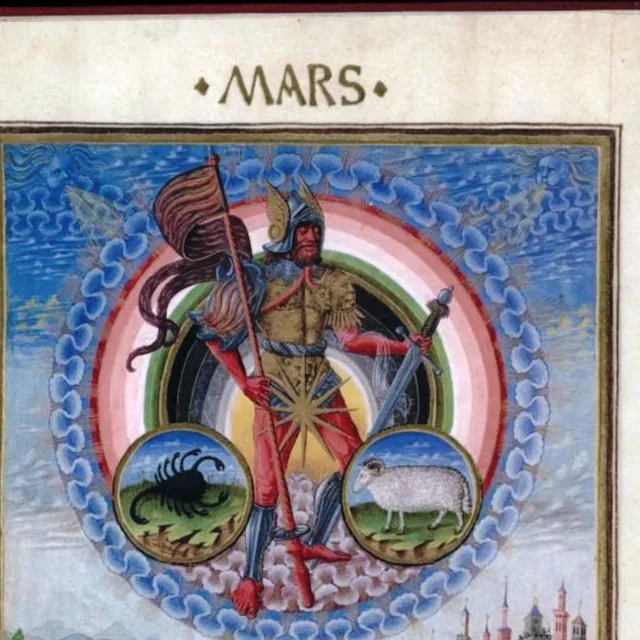
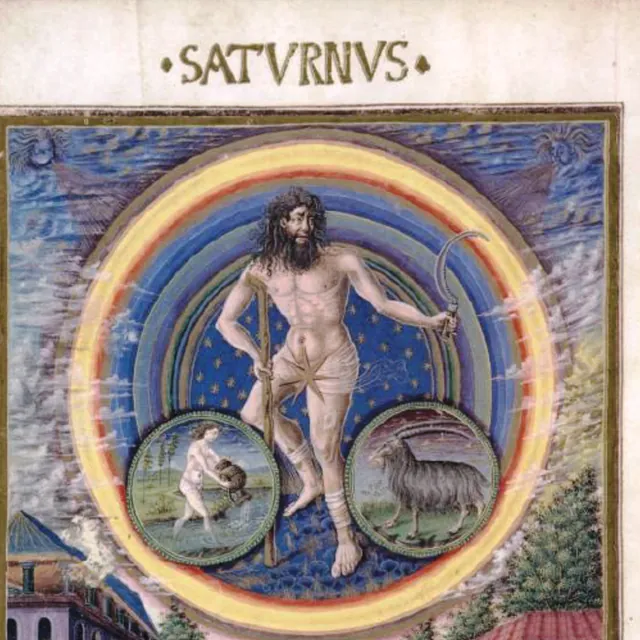
We measured how many exact transits a chart receives in a six-month window, with the engine that builds the charts on this site. The window runs from November 9, 2026 to May 9, 2027 (183 days), and we counted the times when Mars, Jupiter, Saturn, Uranus, Neptune and Pluto form one of the five exact aspects with the ten birth planets, in 586 charts from 1930 to 2015. The average is 19.5 exact transits per chart, between 4 and 35. Mars accounts for 10 of them; Saturn, for 3.3; Jupiter, for 2.9; Uranus, for 1.3; Neptune, for 1.0; and Pluto, for 0.9. In six months, the movement of the sky over a chart is made of many quick transits from Mars and a few heavy ones from the slow planets.
The planetary stations in the same window organize the semester. Mars enters Virgo around November 26, 2026, turns retrograde from January 11, 2027, returns to Leo around February 22 and turns direct around April 2. Jupiter turns retrograde on December 14 and goes direct again on April 14, 2027. Saturn and Neptune turn direct around December 11 and 13, Uranus around February 9, and Pluto turns retrograde around May 9. There are six new moons and six full moons. The dates are read from a daily step, with a precision of one day; the texts Mars retrograde and Jupiter retrograde detail each station.
This explains why two people live the same semester in such different ways: the sky outside is the same, and what changes is the point of the chart it touches. A Saturn transit over a personal planet weighs more than ten from Mars over the same region, and the reading measures the weight beyond the count.
What human question lives here? Perhaps how a season transforms us. Epictetus said in the Discourses: “First say to yourself what you would be; and then do what you have to do.” A forecast can be read as an invitation to this order: to see what the period asks and to decide who we want to be while we live it. The transit is the time outside; the decision is the time inside.
The limits. No study shows that transits predict events, and the reading describes themes and favorable or heavy moments, without guaranteeing facts. Decisions about health, money and justice are made with professionals, and the forecast comes in as context. It is also worth remembering that the shorter the window, the less it says about a whole life, and a six-month forecast does not replace the reading of the natal chart.
A good way to use a forecast is to write down, before reading it, what you expect from the next six months, and to return to the text at the end to see what was confirmed and what was not. In this accounting, astrology becomes an exercise in attention and memory.
Forecast for the next 6 months · R$ 127,00
What the next six months bring you, month by month: money, work, love, family, changes and health, and who you become as you live them.
If you want the reading of your coming months, the Forecast for the next 6 months shows what the next six months bring, month by month. For the whole year, the Solar return: forecasts for your year starts on your birthday, and the Forecast for the next 12 months covers a year from today.
The question that remains is: who do you want to be at the end of the next six months, and what does that ask of you now?
Some questions that usually come up about 6-month forecasts:
What are transits? They are today's planets passing over points of your birth chart. Astrology reads each encounter, such as a slow planet forming an exact aspect with your Sun, as a theme of the period.
How many transits does a chart receive in six months? In the window from November 9, 2026 to May 9, 2027, and in 586 measured charts, the average was 19.5 exact transits from Mars, Jupiter, Saturn, Uranus, Neptune and Pluto over the ten natal planets, between 4 and 35. Mars accounts for about half.
What is the difference between 6-month forecasts and a solar return? The solar return starts on your birthday and reads the chart of the Sun's return, valid for the year. The 6-month forecasts start on the day of the reading and read the sky passing over your birth chart.
Does the 6-month forecast guarantee what will happen? No. No study shows that transits predict events. The reading describes themes and favorable or heavy moments and raises questions about who you become as you live them.
Do I need my birth time? It helps. The transits over the planets can be read without it, but the Ascendant, the houses and the annual profection depend on the time and place of birth.
In short, the 6-month forecasts read the transits of Mars and the slow planets over your chart, the stations, the moons and the eclipses, and in the window from November 9, 2026 to May 9, 2027 a chart received on average 19.5 exact transits, half of them from Mars. The reading describes themes of the period and the person who forms by living them, without guaranteeing facts.
Keywords 6-month forecasts, transits, planetary stations, Mars, Jupiter retrograde, Saturn, astrological forecast
If what you want is this read in your chart, with the sky of the next six months over your chart, that is what you will find in the reading Forecast for the next 6 months. See the reading