The answers of this research, in three questions:
Who won the runoff? Lula, with 51.76% of the valid votes, against 48.24% for Flávio Bolsonaro.
What did the astrological research say? That the stronger tendency was for Flávio, with 68% of the astrological signs, and that Lula's chance existed, at 32%.
What did astrology reveal? Lula's signs were in the sky and were published before the vote. The smaller chance, written into the count from the first day, is the one that happened, and what it teaches is in this article.
On 5 October I published Runoff 2026: the astrological forecast and Is there a chance Lula wins the runoff?. Both gave the stronger tendency to Flávio, with 68% of the signs, and said that Lula's chance existed: close to one in three. I also wrote that the count would stay as it was until the 25th and that, if it turned out wrong, the error would be studied here, in public. That is what this article does.
The 68% measured the weight of the signs in the sky pointing to each side, and the score always belonged to the ballot box. One in three is little and far from nothing: when the weather forecast gives a 30% chance of rain, it rains on one in every three such days.
Venus returned to Libra, its own domicile, at 6:00 on the morning of the vote. In the horary astrology chart cast on 3 October, Venus was Lula, and the planet that regains strength on the day of the outcome is the one that wins. At 8:00, the Ascendant of the opening of the polls was sextile his natal Venus: the morning of the vote opened a door for Lula's charisma.
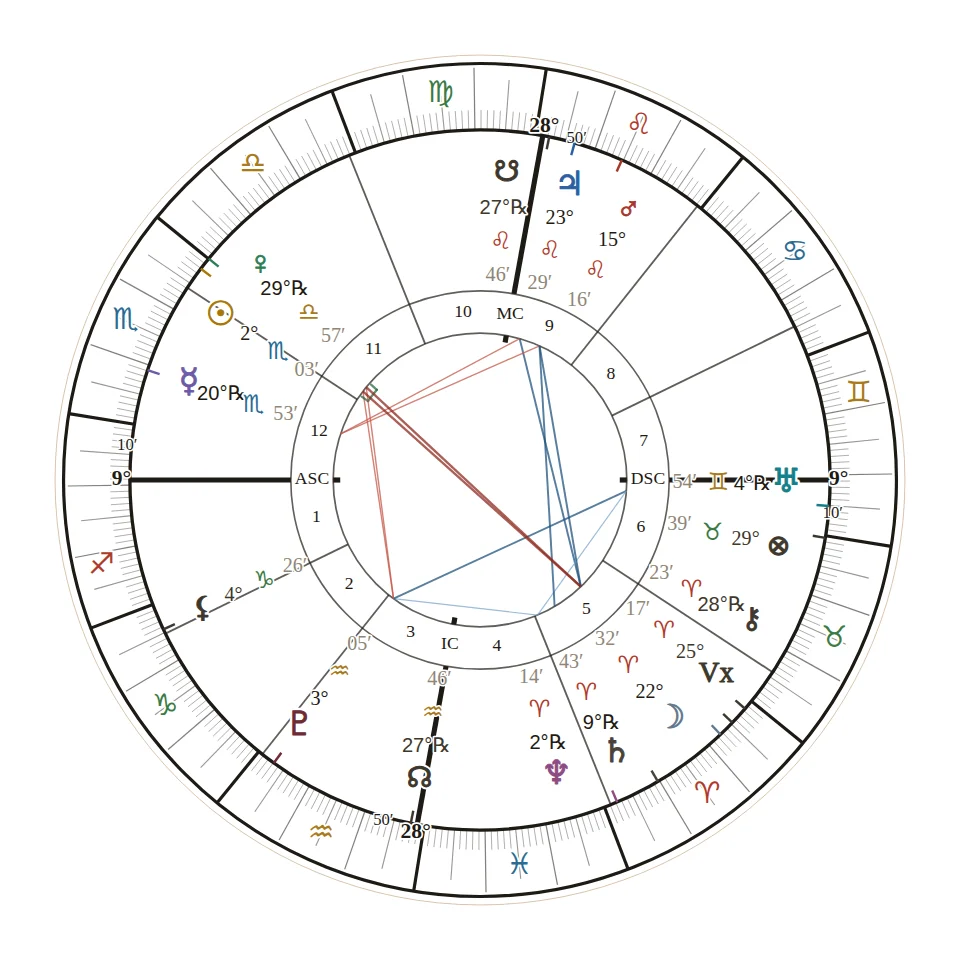
Mars was passing less than two degrees from Lula's Midheaven, the point of office and career: the strength of someone who fights until the last day. The Sun in the sky was a little over a degree from his natal Sun, two days before his birthday on 27 October, the time of year when personal vitality is renewed. And Saturn was trine Lula's Pluto, the pattern of endurance that marks his whole career.
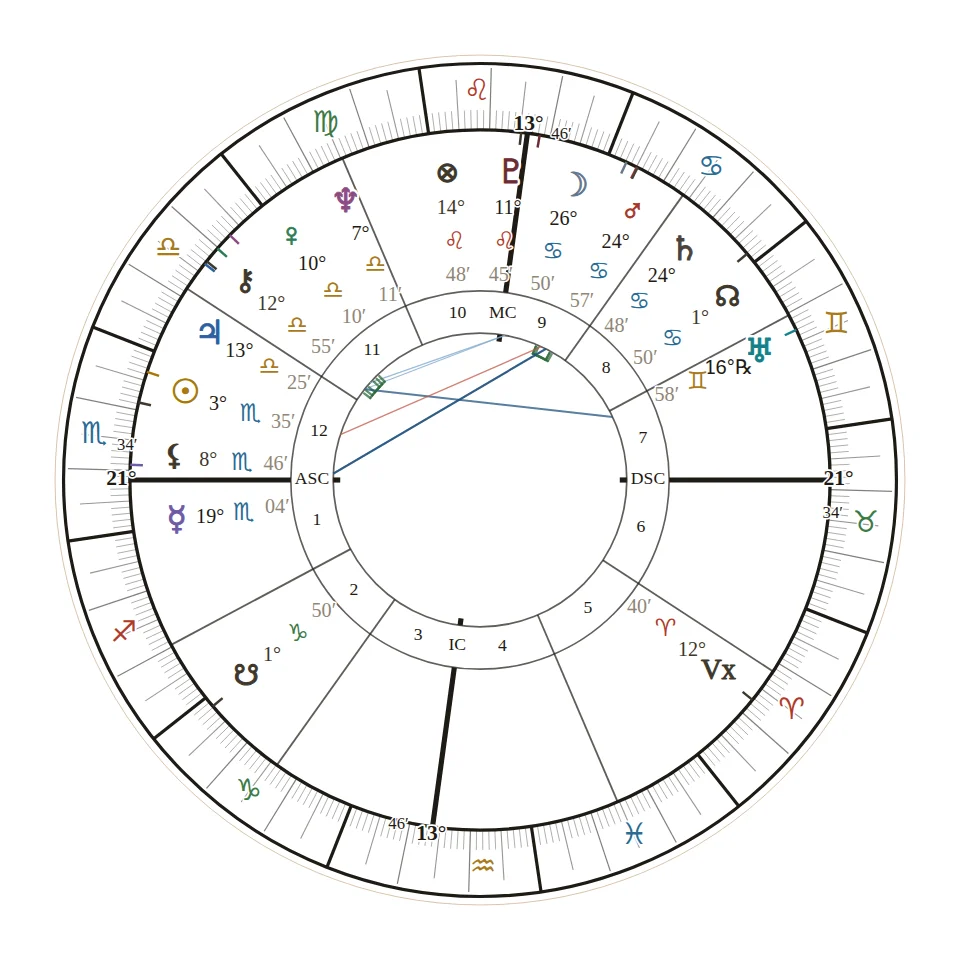
Beneath it all was the bond with the country. Lula's Sun falls on Brazil's Mars, within a tenth of a degree, and his Neptune is trine Brazil's Moon, which in a country's chart is the people. These contacts explain why he arrives strong at every election he contests, and this time they weighed more than the count gave them.
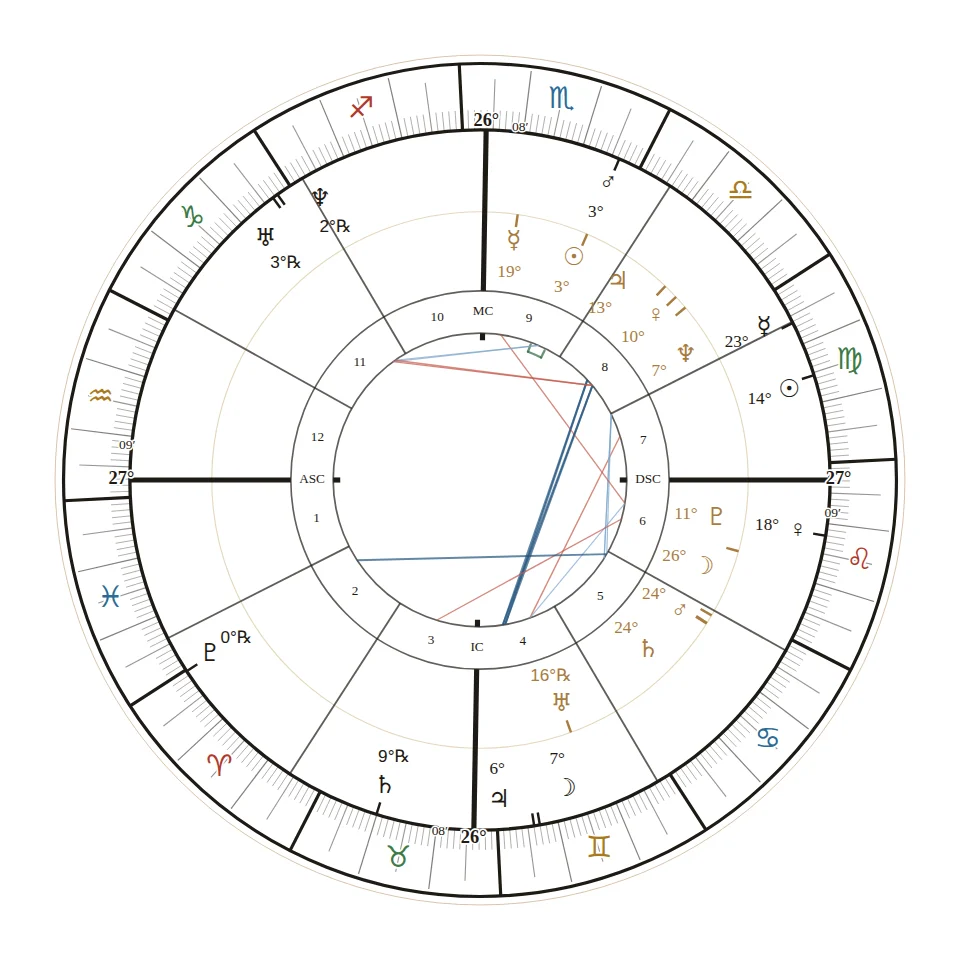
In the early hours of 26 October there is a Full Moon in Taurus 3°50′, square Pluto, and less than half a degree from Flávio's Mars. It is the combative strength of the defeated side exposed at the moment the country's feelings run highest: protests, blocked roads, inflamed speeches. On the 27th, Lula has his birthday, and his solar return chart for the year that begins has Saturn and Neptune in house 10, the house of office. It is a fourth term that starts heavy: great responsibility and a blurred outline, with promises that will ask for more than the budget allows.
Mercury turned retrograde on the eve of the vote, on Lula's Ascendant, and only turns direct again on 13 November. It moves through Brazil's house 9, the house of the courts. These are three weeks of recount requests, appeals and speeches that refuse to accept the numbers, as set out in Fraud at the ballot box in 2026? What the sky shows. Neptune square the country's Neptune and Uranus describes the mood of distrust around the ballot box, and astrology, there as here, does not claim fraud: fraud is proven with documents. On 13 November, Mercury and Venus turn direct at the same time. Venus is Lula's planet in horary astrology, and the day she resumes her motion is the day the result settles.
On 18 November, Mars crosses Brazil's Descendant, the house of declared adversaries and of other countries. It is the first of three passes, and the pressure also comes from outside: Trump's Mars falls exactly on that point in Brazil's chart, as set out in Will Trump intervene in Brazil?. With Lula in government, the sky and the analysts point to the same place: commercial and diplomatic pressure, with negotiation.
On 2 December, Pluto makes an exact square to Lula's Sun, the strongest pass of this transit. It is the month in which the pressure on him as a figure peaks, even in victory: demands, hard opposition, the weight of governing a country split down the middle. On 6 December, Pluto makes an exact square to Brazil's Mars, pressure on security and the Armed Forces. On 12 December, Jupiter stations on Brazil's Descendant: the relationship with the United States moves to the centre of the agenda, and Jupiter is the planet of agreements.
The Sun's ingress into Capricorn, on 21 December, rules the following three months. The Midheaven of that chart falls on Flávio's Moon, within one degree. With Lula elected, it is Flávio's figure that stays visible in the quarter of the inauguration: he leaves the election as the face of the opposition.
The inauguration takes place on 5 January 2027, at 15:00, in Brasília.
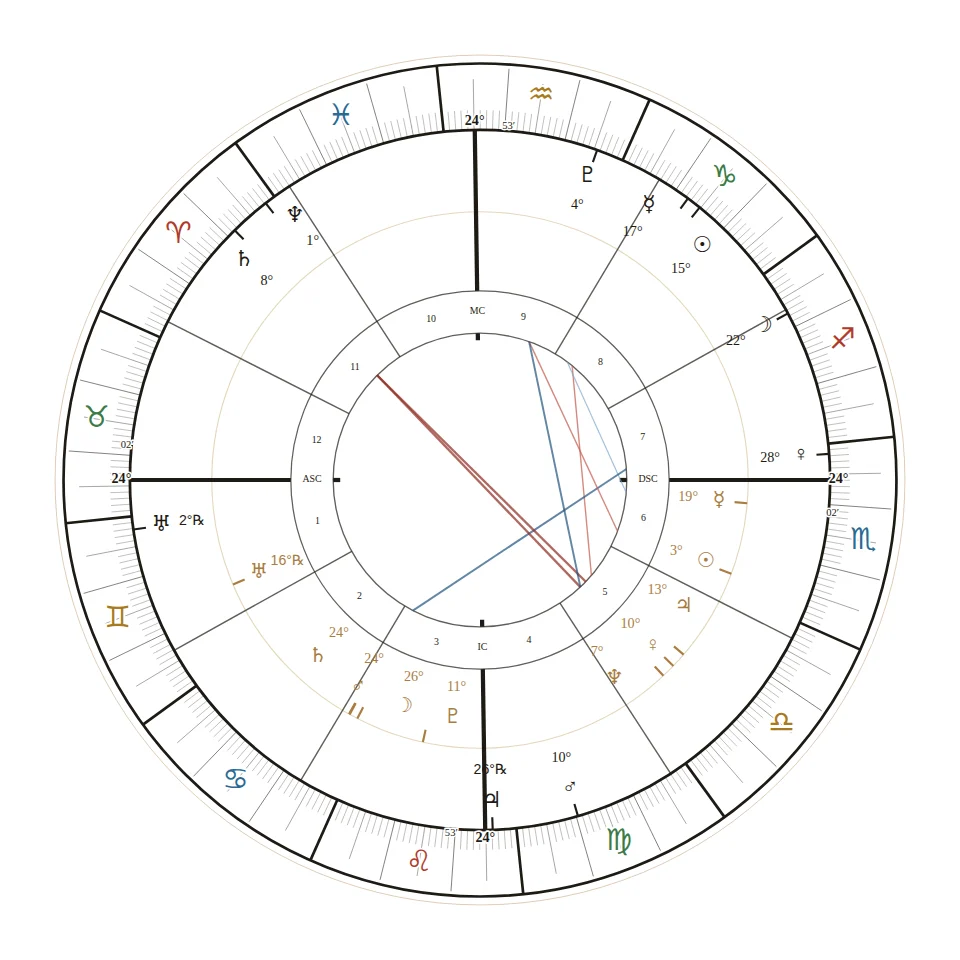
At 15:00, the Ascendant of the inauguration is in Taurus 24°, sextile Lula's Mars and Saturn, within one degree. Mars and Saturn together are the discipline of someone who has already governed three times: the moment he receives the sash speaks to his experience. Venus, the ruler of that Ascendant, is trine Lula's Moon, within a degree and a half, and the Moon is the people: on the day of the ceremony there is affection between him and those who elected him.
The office, however, arrives worn. Venus is in Scorpio, in detriment, and the ruler of house 10, Saturn, is in Aries, in fall. It is a government that begins dependent on Congress and its allies. Pluto is still square Lula's Sun, and Saturn opposes his Neptune: the year asks for promises that fit reality.
The result leaves three lessons for the research.
The horary astrology chart of 3 October gave Lula in the first round and Lula in the runoff. The first part was not confirmed, and the second was. In the tradition of this technique, the chart answers the question that was asked, and the underlying question was who would govern the country. The first round was one stage on the way, and the final answer came on the 25th.
In the count, Lula's synastry with Brazil came in with a weak weight, because it is permanent and does not change from one round to the next. The result shows that, for someone who has already governed the country three times, this bond weighs more. In the next research, the synastry of anyone who has already held the office comes in with a greater weight.
The swing of the count towards Flávio, after the first round, came from his birth time, with an AA rating on Astro-Databank, from a certificate I have not seen. If the time is wrong, several signs that counted in his favour fall away. Checking the time at the source becomes the first step of any electoral research.
For us, as a society: half the country woke up happy on the 26th, and the other half woke up afraid. Both halves will share the same street, the same hospital and the same electricity bill for the next four years. A democracy depends on those who lose accepting the result and continuing to take part, to make demands and to keep watch, and on those who win governing also for those who did not vote for them.
The ancient Greeks said that the city is made of different people, and that it is the difference that forces it to talk. The sky of November and December shows pressure, challenge and confrontation. It also shows Jupiter, the planet of agreements, stationed on the point of Brazil's chart that speaks of the other. The climate of an era is read in the sky, and what we do with it is our choice.
For us, astrologers: publishing a forecast with a date, a number and a method means exposing oneself, and that is what gives the work its value. This election leaves three lessons of the craft. The first: ask horary astrology one thing at a time, and give it the final word on the question it answered. The second: give the bond between a candidate and the country the weight his history shows. The third: check the birth time at the source before letting it turn into a whole count.
And a reminder: a 68% count is wrong once in every three, and it can only be judged across several elections read with the same method. The sky did not fail on 25 October. Lula's signs were there, they were published and they happened. The work now is to weigh them better next time.
In short, the answers of this study are these:
Who won the runoff? Lula, with 51.76% of the valid votes.
What did the astrological research say? Flávio with 68% of the signs and Lula with 32%: Lula's chance was in the count and it happened.
What comes before the inauguration? Challenges until 13 November, pressure from outside in November and December, the hardest point for Lula on 2 December and an inauguration in which his experience speaks to the sky.
The data behind this study: Brazil, 7/9/1822, 16:30, Ipiranga (São Paulo). Lula, 27/10/1945, 6:10, Caetés (PE). Flávio Bolsonaro, 30/4/1981, 20:10, Resende (RJ), AA rating on Astro-Databank. Horary astrology, 3/10/2026, 11:44, Porto Ferreira (SP). Opening of the polls for the runoff, 25/10/2026, 8:00, Brasília. Inauguration, 5/1/2027, 15:00, Brasília. Tropical zodiac, Placidus houses, Brasília time.
Solar return: forecasts for your year · R$ 197,00
Forecasts for your coming year, from birthday to birthday: what changes in love, work, money and health.