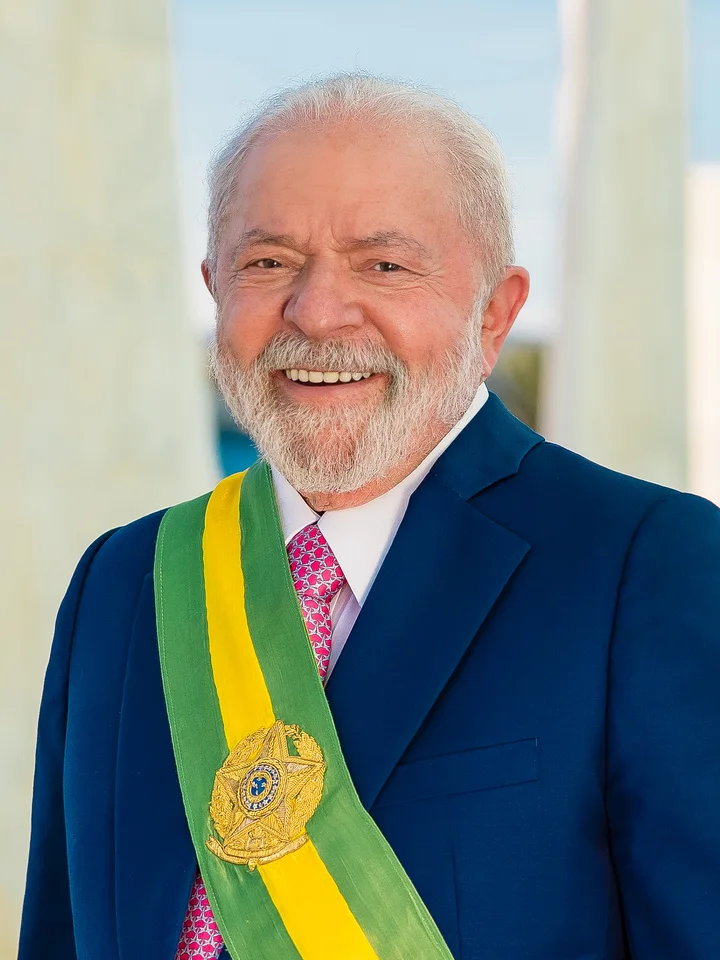
In astrologer Shelly Gonella's research, using Flávio Bolsonaro's birth time taken from the certificate, here are the answers, in three questions:
Who wins the 2026 election? Flávio Bolsonaro, with a dispute over the result that lasts until mid-November and a government that starts under pressure. That is where most of the signs in the sky analysed by astrologer Shelly Gonella point, from the charts for the election quarter to the inauguration chart.
Who wins the runoff? The stronger tendency is for Flávio, with 68% of the astrological signs.
Is there a chance Lula wins? It exists, and it is low: 32% of the astrological signs. Almost all of Lula's chance comes from the horary astrology technique. Venus, which represents Lula in the horary chart, returns to Libra on the 25th itself, and that is the strongest argument on his side.
In the first round, Flávio took 47.03% of the valid votes, and Lula 45.16%. The sky of that Sunday explains this result, and the key to it is the time Flávio was born.
Astrologer Shelly Gonella analysed the election in layers, in the order that classical mundane astrology recommends: first what sets the theme of the period, then the country, then the charts of the moment and, only at the end, the candidates. Each layer answers a different question.
The slow cycles and the eclipses tell the theme and the period: what is changing in Brazil in 2026.
Brazil's chart tells where the change hits: government, the courts, security and relations with other countries.
The charts of beginnings, which are the Sun's ingress into Libra, the opening and closing of the polls and the inauguration, tell how each moment is born.
Horary astrology answers the direct question, who wins, without depending on anyone's birth time.
The charts of Flávio and Lula tell on whom the sky falls. They come last because they are the ones that depend most on the birth time.
Before the analysis, the techniques of this study, in plain words:
Birth chart: the picture of the sky at the minute and place a person is born. To be drawn, it needs the date, time and city of birth.
Ascendant and Midheaven: the two points of the chart that depend on the exact time. The Ascendant is the sign rising on the horizon and speaks of the person and their image; the Midheaven is the highest point of the chart and speaks of career and public standing.
Horary astrology: the chart of the sky at the minute the astrologer asks a question, here "which of the two has the better chance of winning the presidency?". Each candidate becomes a planet, and the answer comes from the strength of each one and the relationship between the two. It does not depend on anyone's birth time.
Synastry: the comparison of two charts, laid one over the other. In this research, each candidate's chart over Brazil's chart, to see how each one connects with the country.
Transits: where the planets are in the sky on a given day, and which point of someone's birth chart they are passing over. It is the technique that shows what is happening to the person during that period.
Event chart: the chart of the sky for an event, such as the opening of the polls or the inauguration, calculated for Brasília.
Ingress: the chart of the instant the Sun enters the sign that opens a season. In mundane astrology, which is the astrology of countries, it describes a country's next three months.
Cycles and eclipses: the meetings between the slowest planets, which mark decades, and the eclipses, which mark months. They set the mood of a period.
Solar return, progressions and solar arc: techniques for personal forecasting. The solar return is the birthday chart and describes the year that begins; progressions and solar arc move the birth chart forward in time.
2026 opens a 36-year cycle. On 21 February, Saturn and Neptune met at Aries 0°45′, in the first degree of the zodiac. Saturn is structure, law and limits; Neptune is belief, dreams and also illusion. When the two meet, ideologies wear out and are rebuilt: what a country believed in loses its shape, and a new belief asks for structure. In the first degree of Aries, the sign that opens the zodiac, it is a new start that comes through will and confrontation. In Brazil's chart, the meeting fell on Pluto, less than a degree away, and Pluto is the power in the background, whoever is really in control. It is a change in the country's power structures, and it explains the tone of this election: voters are choosing between two visions of the country, and party programmes take second place.
The same meeting touched Flávio's planet. Saturn and Neptune made an opposition to his Jupiter, within 0.7°, and Jupiter, with the time on the certificate, is the ruler of Flávio's chart. Jupiter is expansion and promise. Saturn in opposition demands proof and sets limits; Neptune in opposition inflates the image and blurs it. For Flávio, this means growing quickly, weighed down by expectations no one can fully meet, with voters projecting more onto him than he is. It is the fog over the one elected, and it comes back in December, when Neptune stations in the sky over this same point.
The eclipses marked the year. An eclipse acts for months on the point it touches. The solar eclipse of 17 February, at Aquarius 28°, fell on Brazil's Ascendant, which is how the country sees itself and is seen: it was the year Brazil's identity came into dispute, and in Aquarius that dispute runs through social media and group chats. The lunar eclipse of 3 March, at Virgo 12°, fell on Brazil's Sun, the point of whoever governs: a peak of tension over the country's leadership, with Virgo's themes on the table, which are work, health and the public accounts. And the total solar eclipse of 12 August, at Leo 20°, the one that presides over the election, squared Lula's Mercury and Ascendant. Leo is the stage and the leader; Mercury is the message; the Ascendant is the person himself. Lula's campaign began with his message and his image under tension, and this same point returns on the eve of the runoff, when Mercury stations there and turns retrograde.
This layer stays out of the count of who wins, as mundane astrology prescribes. What it shows is the election in a year of changing cycles, with Flávio's chart ruler and Lula's Mercury marked at the same time.
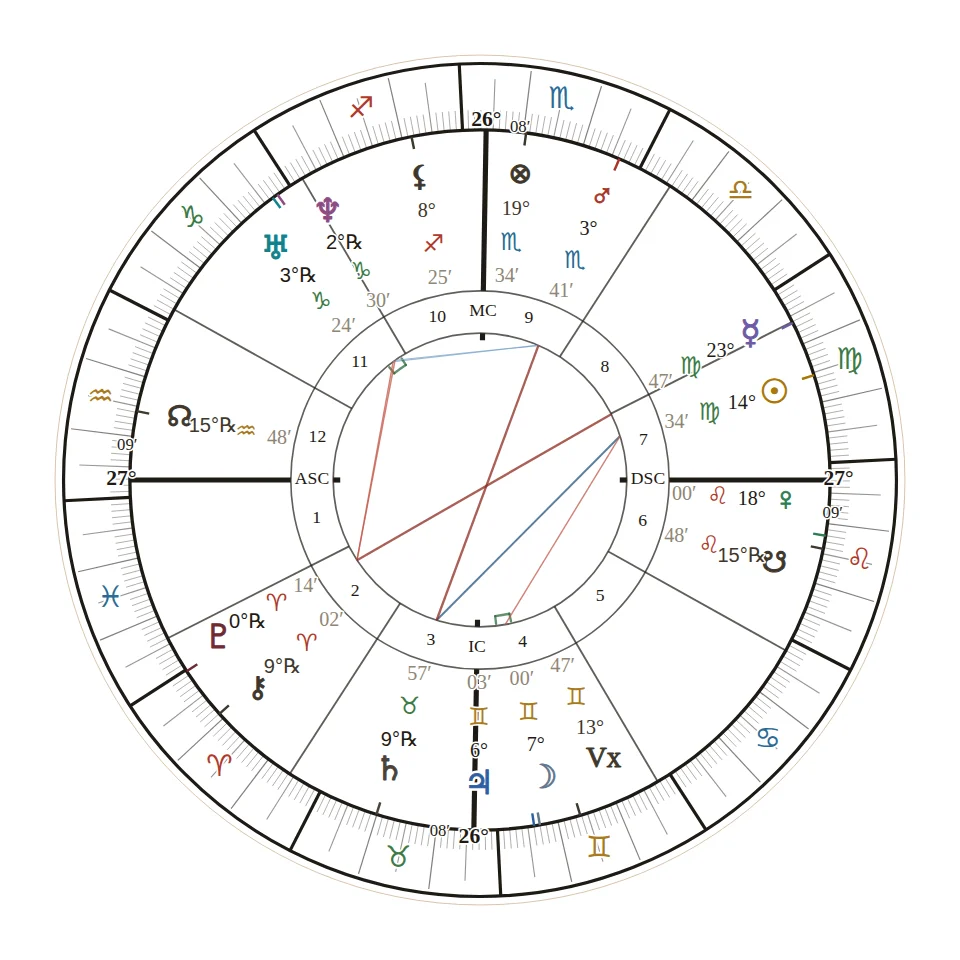
The Astro-Databank, the largest birth data archive used by astrologers in the world, records Flávio Bolsonaro as born on 30 April 1981, at 8:10pm, in Resende, with an AA rating, the one given to someone whose birth certificate is in hand. The date and the city match the Senate's official record. With the birth time, Flávio's chart has an Ascendant, a Midheaven and houses, and it is this that organises the reading of the first round, the runoff, and the path to inauguration. It is the lesson of the article on why astrologers ask for the birth certificate, applied to a presidential candidate.
With the time from the birth certificate, Flávio's chart has the Ascendant in Sagittarius 22°43′ and the Midheaven in Virgo 10°20′. The chart ruler is Jupiter, which is in Libra, in house 10, together with Saturn. It is the classic signature of someone whose public career is the centre of life: the planet that represents the person lives in the house of office.
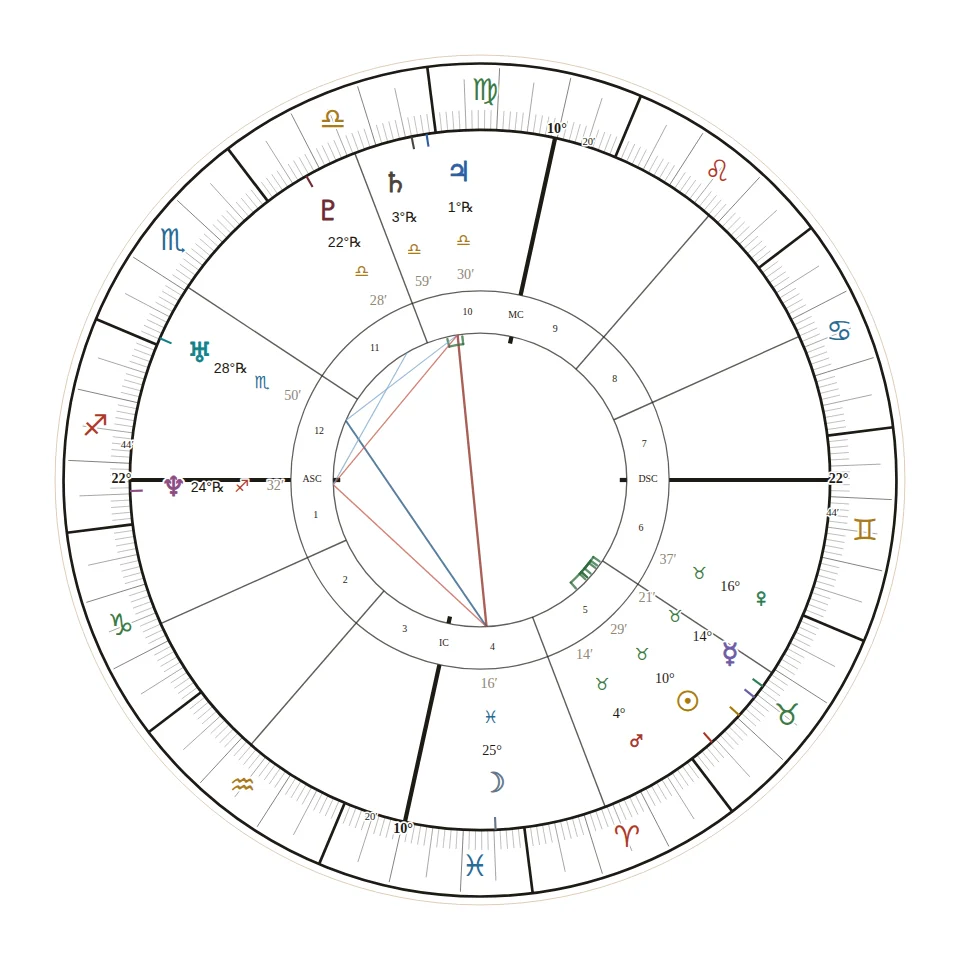
The four planets in Taurus fall in house 5. Taurus is persistence and attachment to what is one's own, and house 5 is what the person puts on display: his public strength lies in persisting and in putting himself forward. The Moon, in Pisces 25°, sits in house 4, that of family and origin: his surname and the bond with his father are the emotional base of his career. Neptune sits in house 1, within two degrees of the Ascendant: his public image arrives wrapped in a projection that is bigger than the person.
With Brazil, the birth time brings three contacts with the country's angles. Flávio's Moon is in trine to Brazil's Midheaven, within less than one degree: an emotional bond between him and the seat of government. His Midheaven falls close to Brazil's Sun, in Virgo: his career goal aims at the country's centre. And his Ascendant squares the country's Mercury, which is friction with discourse and with the press. The most exact contact is Flávio's Sun on Brazil's Saturn, which makes him, for part of the country, the figure of order, authority and reckoning. Born at 8:10pm, Flávio has his Moon in Brazil's house 2. House 2 is money and income: the voter connects to him through their pocket, which fits with the weight of purchasing power in the vote.
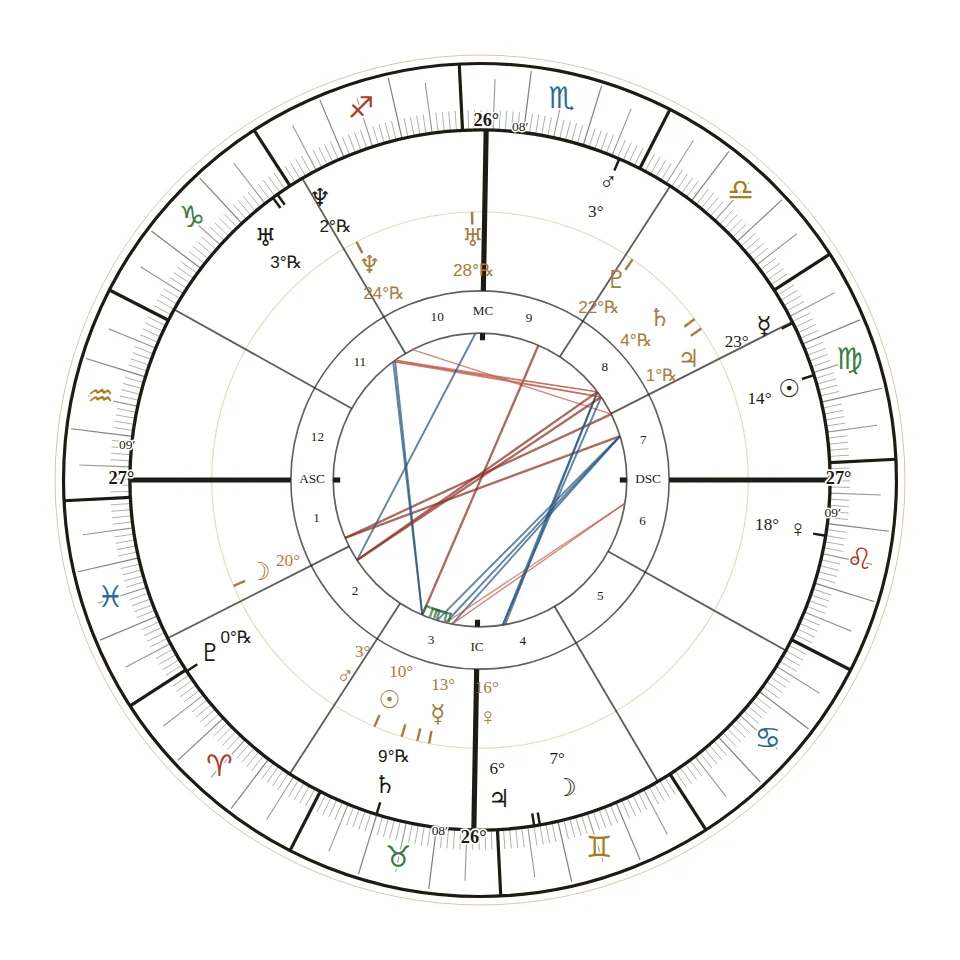
At 17:00 on the 4th, when the polls closed, the Ascendant of the Brasília sky was at Pisces 25°43′, on Flávio's Moon, within less than half a degree. In reading an event chart, the candidate whose planets fall on the Ascendant is the side the chart represents. And the Moon, in an election, is the people. At the minute voting ended, the sky placed Flávio's Moon in the most visible spot of the chart.
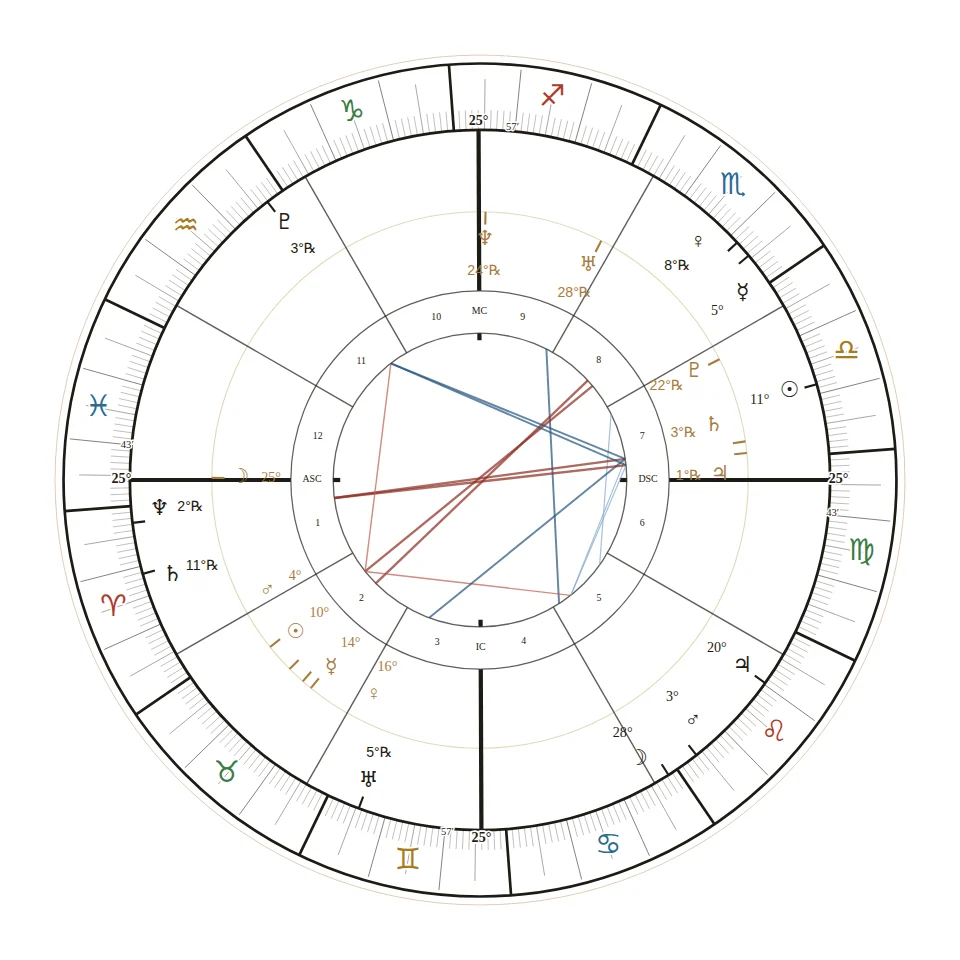
At 17:25 the first partial results came out, with Flávio ahead from the very first figure. At that minute, the Ascendant was at Aries 1°48′, in exact opposition to Flávio's Jupiter, which is the ruler of his chart, and the Midheaven squared the same Jupiter. The planet that represents Flávio was on an angle of the sky when the country saw the first result, and Jupiter on an angle means visibility and luck: the moment of the announcement played in his favour.
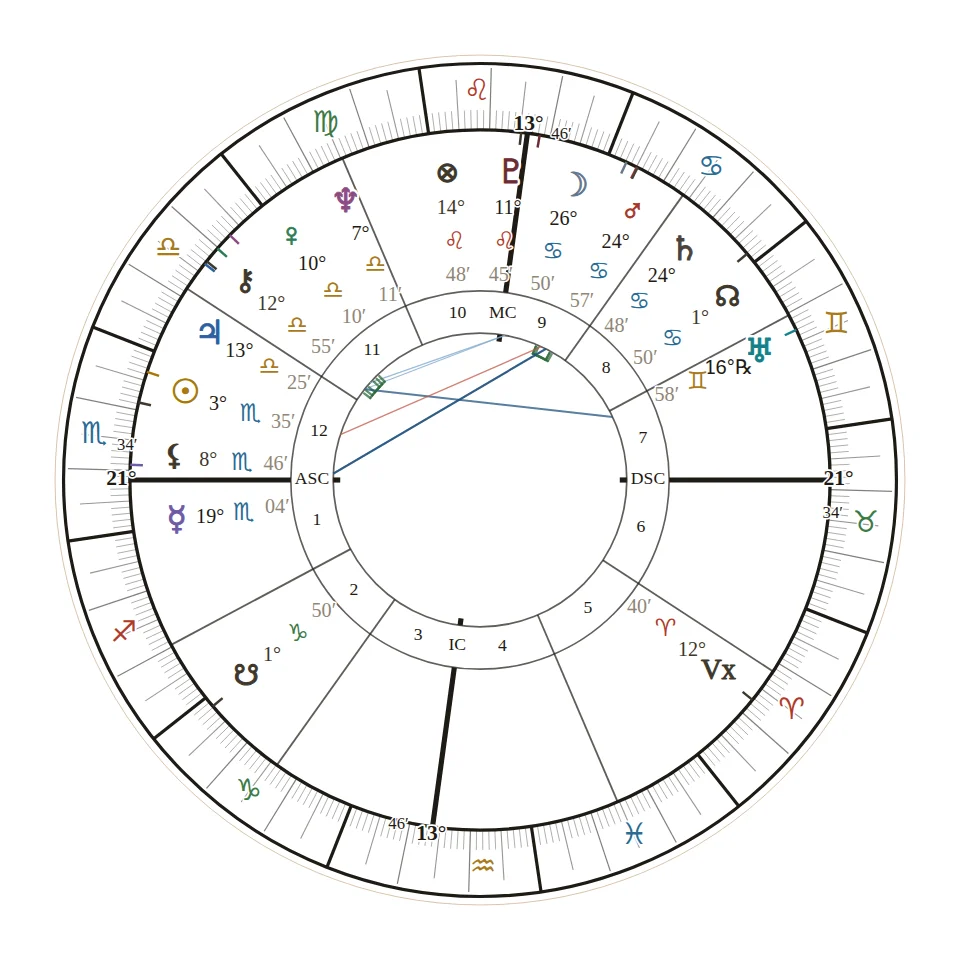
Lula, on the same day, had two planets weighing on his Sun. Mars and Pluto squared his natal Sun, within less than half a degree. The Sun is identity and personal strength; Pluto in square is the feeling of losing control of something one held in one's hands. Saturn was also opposing his Venus, which is the capacity to please and to be chosen.
In the horary astrology technique, one sign already belonged to Flávio. In the horary chart I cast on 3 October, Lula was Venus and Flávio was Mars, and Venus was in Scorpio, under the power of Mars. It is this side of the horary chart that holds until the 25th, when Venus returns to Libra.
Outside the sky, the press points to the weight of purchasing power and security in voters' decisions. The chart does not replace that reading; it shows the climate in which it happened.
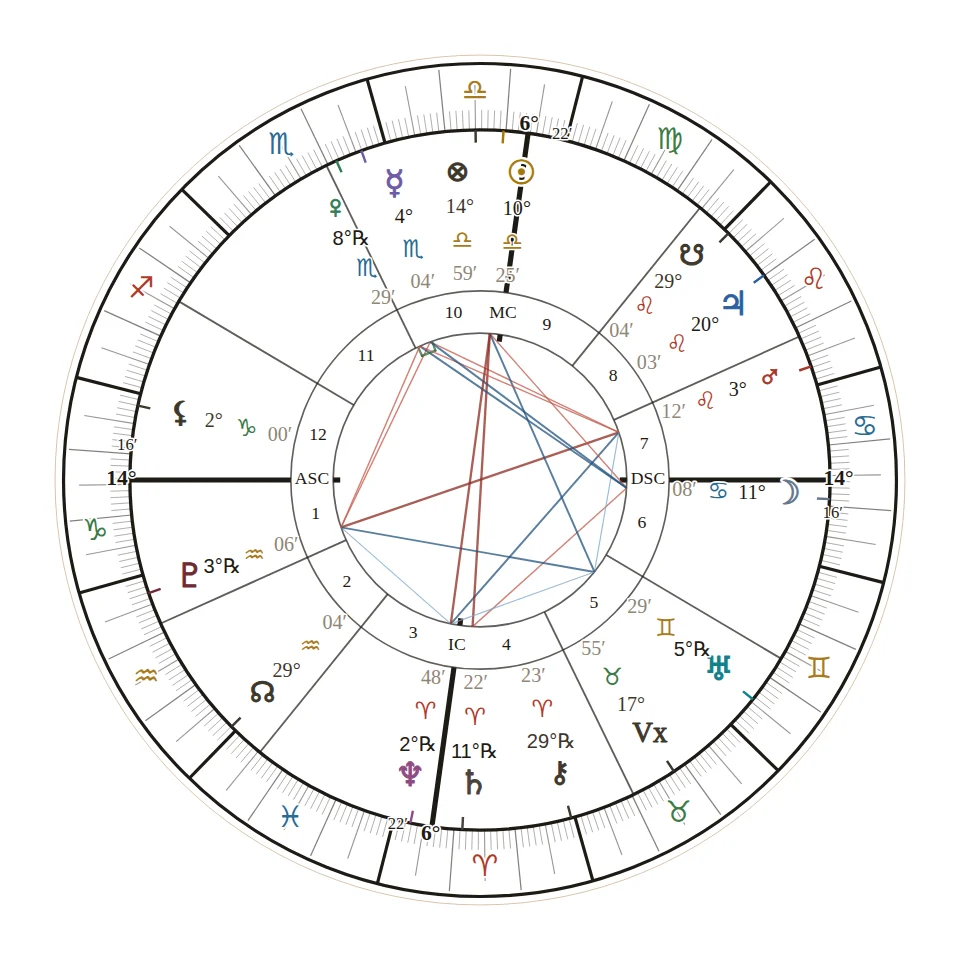
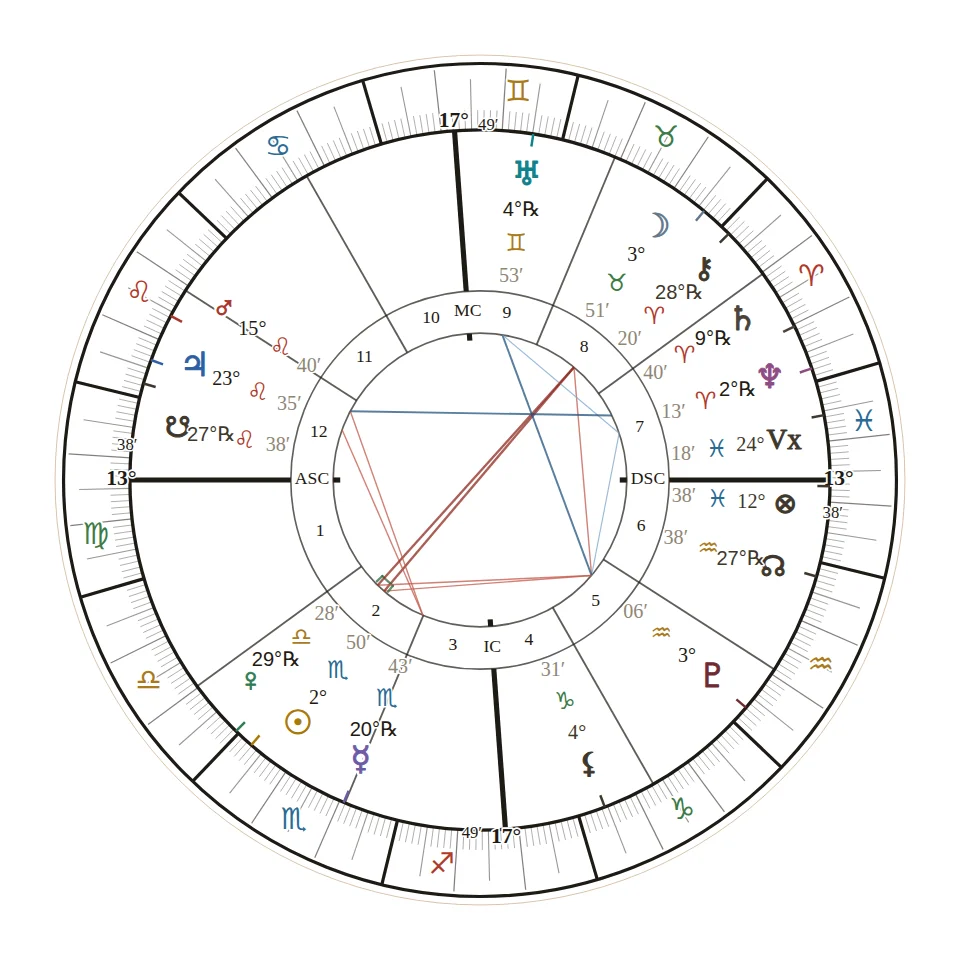
The chart for the quarter already showed the changeover. In mundane astrology, the Sun's ingress into Libra, calculated for the capital, rules the following three months. In 2026 it happened on the night of 22 September, at 21:05 Brasília time. The Ascendant of that chart is at Taurus 13°, on Flávio's Mercury, within a little over a degree, and the Midheaven is at Aquarius 12°, opposing Lula's Midheaven, within less than a degree: the point of Lula's government falls at the bottom of the quarter's sky, which is the place where a cycle ends. In other words, the election quarter begins with Flávio's voice setting the agenda and with Lula's government on the side that is closing.
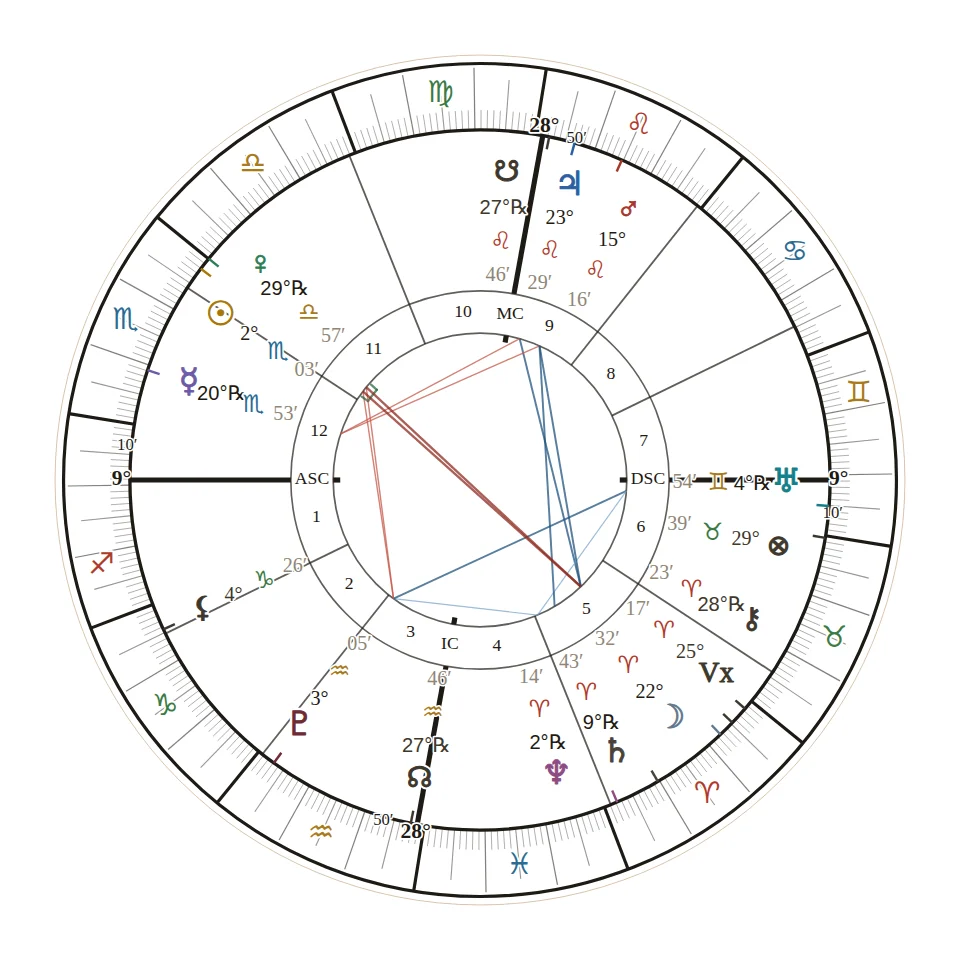
The opening of the polls says who is who. The morning Moon, in Aries, is in trine to Flávio's Ascendant, within two tenths of a degree, and the Moon, in an election, is the people. The voters' mood, on the morning of the vote, flows in his direction. On Lula's side, the Ascendant of the opening is in sextile to his Venus, within one degree: the morning also opens a door for Lula's charisma, and it is through it that he can grow over the course of the day.
Horary astrology stays as it was. Adding up the signs, it goes to Lula, by a small margin, because Venus, which represents Lula, returns to Libra on the 25th itself. It is the strongest argument on his side, and the only one that does not depend on anyone's birth time.
In the candidates' charts, the strongest sign is a transit. On voting day, Jupiter is at Leo 23°, in trine to Flávio's Ascendant, within less than a degree. Jupiter is the ruler of his chart: it is the planet that represents Flávio passing in harmony over the point that represents Flávio. In electoral astrology, it is among the transits most often cited for victory.
Lula reaches the day under a heavy sky. Saturn opposes his Venus within less than half a degree, which puts resistance on his ability to win voters over, and Pluto remains square his Sun, pressing on his personal authority as it nears the exact point, which comes on 2 December. On the eve, 24 October, Mercury stations in the sky and turns retrograde at Scorpio 20°58′, right on Lula's Ascendant. Mercury stationed on the Ascendant is his word under review: the appeal, the challenge, the speech that has to be rewritten.
In astrologer Shelly Gonella's count, the weights are strong, medium and weak, and the result appears as a proportion. Only the runoff counts.
The data that favour Flávio Bolsonaro:
Jupiter, the ruler of his chart, in trine to the Ascendant on voting day. Strong weight.
The heavy transits and arcs on Lula: Pluto in square to the Sun, Saturn in opposition to Venus and, by solar arc, Pluto on his natal Sun. Strong weight.
The Sun's ingress into Libra: the Ascendant on Flávio's Mercury and the Midheaven in opposition to Lula's Midheaven. Medium weight.
The Moon at the opening of the polls in trine to Flávio's Ascendant. Weak weight.
Mars dominates Venus in horary astrology. Medium weight, and it only counts with the horary astrology technique.
The synastry with Brazil: the Sun on the country's Saturn and the Moon in trine to the Midheaven. Medium weight.
The data that favour Lula:
Venus regains strength on election day: in horary astrology, Venus is Lula, and she returns to Libra on the 25th itself. Strong weight, and it only applies with horary astrology.
Venus turns direct on the night of 13 November, the close of the dispute in horary astrology. Weak weight, and it only applies with horary astrology.
The Ascendant at the opening of the polls in sextile to Lula's Venus. Weak weight.
The synastry with Brazil: Lula's Sun on the country's Mars. Weak weight.
With the horary technique, the count stands at 68% of the signs for Flávio and 32% for Lula; without it, at 85% for Flávio and 15% for Lula.
In Shelly Gonella's analysis, Flávio stays ahead in both scenarios. The horary astrology technique, Lula's only strong argument, only narrows the gap.
What this number measures: each sign in the sky enters the count with a weight, strong or weak, and the 68% is the share of that weight pointing to Flávio. It shows which way the reading leans and how firmly. An election poll estimates votes; this count measures the inclination of the sky, and the ballot box gives the score.
In the early hours of 26 October there is a Full Moon in Taurus 3°50′, within half a degree of Flávio's Mars. It is his fighting force exposed at the moment when the country's feeling is at its highest, and it is the same Full Moon that, in Brazil's chart, already pointed to protest and blocked roads. On the 27th, Lula has his birthday, and his solar return chart for the year that begins has Saturn and Neptune in house 10, the house of office: a year in which the career weighs and loses its outline.
Mercury retrograde began on Lula's Ascendant, so the review comes from his side: appeal, request for a recount, discourse that does not accept the number. On 13 November, Mercury and Venus turn direct. Venus stations in Libra 22°51′, in exact sextile to Flávio's Ascendant and on his Pluto. It is the moment when support firms up and the matter unlocks.
On 18 November, Uranus makes an exact trine to Flávio's Saturn, in house 10: the change of authority starts to be accepted as fact. The next day, Jupiter squares Brazil's Midheaven: expectations about the next government grow faster than the capacity to deliver. And Mars, on those same days, passes over the country's Descendant, the place of the opponent: the opposition moves into open confrontation. It is the peak of the clash over who governs, the same one the first research already marked.
On 2 December, Pluto makes an exact square to his Sun, the strongest pass of this transit: it is the month when the pressure on Lula as a figure reaches its peak, and when the loss of power, if confirmed, takes its personal toll. On 6 December, Pluto makes an exact square to Brazil's Mars: pressure on security and the Armed Forces.
On 12 December, two planets station in the sky. Neptune turns stationary in exact opposition to Flávio's Jupiter, the ruler of his chart. It is the fog over the one elected: promises bigger than the government can keep, rumour, the disappointment of those who expected too much. On the same day, Jupiter stations on Brazil's Descendant, the house of other countries and of declared opponents. The relationship with the outside world enters the transition carrying weight.
On 19 December, Pluto makes an exact trine to Flávio's Saturn, in house 10: his power gains structure, with a team, alliances and an institutional base taking shape before the inauguration. On 27 December, Pluto makes an exact square to his Mars: resistance, power struggles and the first arm-wrestling match of a government that has not yet begun.
The Sun's ingress into Capricorn, on 21 December, at 17:50 Brasília time, rules the three months that begin there. The Midheaven of that chart, the place of government, falls in Pisces 24°, on Flávio's Moon, within one degree. It is the figure of whoever holds power in the quarter in which the presidential sash changes hands.
At the inauguration, on 5 January 2027, at 3pm, the Moon is in Sagittarius 22°26′, on Flávio's Ascendant, three tenths of a degree away. On the day the office changes hands, the people are on the point of the chart that represents him as a person. The inauguration's Ascendant falls in Taurus 24°, and Lula's Ascendant falls on that chart's Descendant, the place of the opposition.
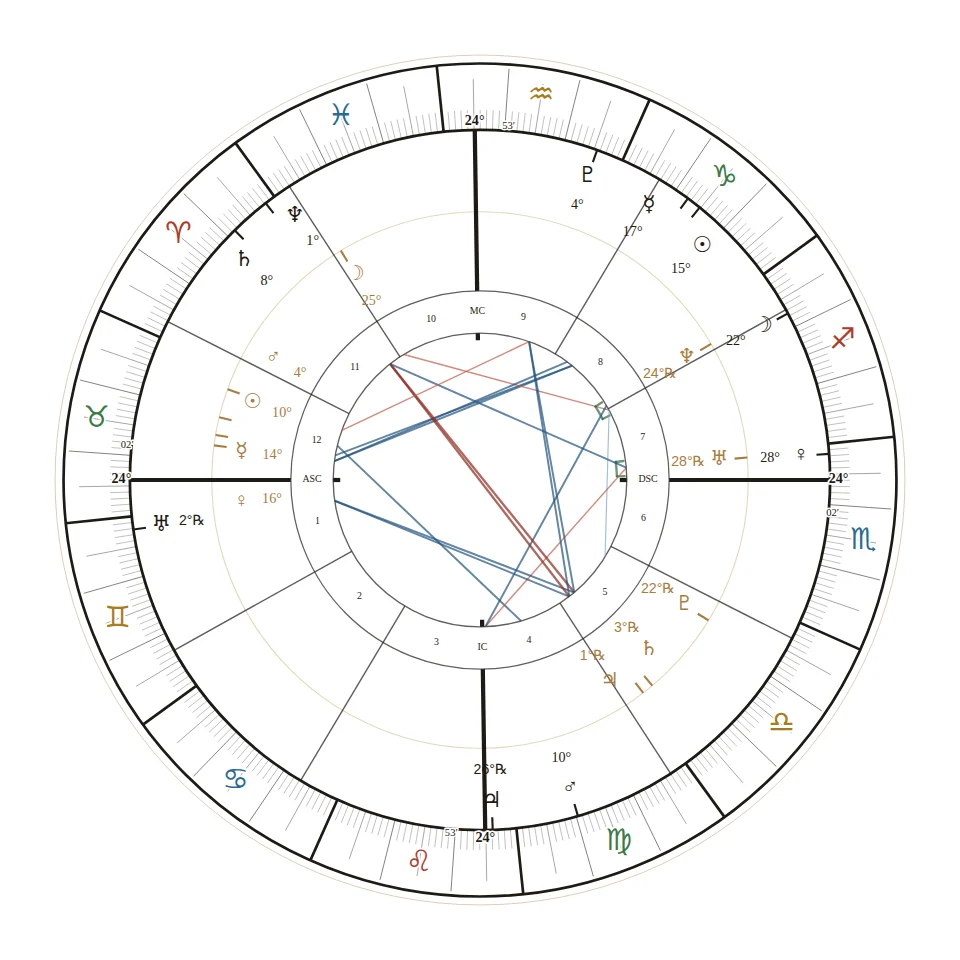
The office still arrives worn out. The ruler of the inauguration's house 1 is Venus in Scorpio, in exile, in house 7. The ruler of house 10 is Saturn in Aries, in fall, in house 11. It is a government that begins dependent on Congress and on its allies, finding it hard to talk to those who lost. On the same day, Jupiter makes an exact square to Brazil's Midheaven: big promises, big spending, and friction over the size of what is being promised.
Flávio's chart for this period favours his arrival in office. His progressed Midheaven trines his natal Ascendant, and his progressed Ascendant makes a sextile to his Sun. These are the slow movements of the chart itself that tend to accompany a public promotion. The weight comes after the inauguration, with Neptune and Pluto over the planets in house 10.
Astrology is not the only way to read an election, and it is good to compare. The other fields point the same way as astrologer Shelly Gonella's research:
The market: on the eve of the first round, Wall Street was already running the numbers on a Flávio victory. JPMorgan projected the dollar at R$ 4.90 with Flávio and at R$ 5.50 with Lula (Times Brasil, 3 October). After the result, analysts expected the stock exchange to rise close to 10% on Monday, "with investors anticipating a Flávio victory" (Seu Dinheiro, 4 October).
The election polls: at the start of the year, Lula beat Flávio by 7 points in a runoff (Quaest, January). By March, there was already a technical tie, at 46% to 43% (Datafolha, March, via Reuters). At the end of September, Flávio moved ahead for the first time, still within the margin of error: 47.7% to 47.6% in AtlasIntel with Bloomberg (SP Diário) and 46% to 45% in Nexus with BTG (Gazeta do Povo).
The three readings, the market's, the polls' and the sky's, point to Flávio. The difference is in the intensity: the election polls still call the race a technical tie, while the astrological research gives Flávio 68% of the signs.
Two things could change this reading:
Flávio's time. The AA rating comes from a certificate sent to the database by a contributor. I have not seen the document, and a different time would change his Ascendant and houses.
Horary astrology. It still says that Venus, which represents Lula, regains strength on the 25th. It is the strongest argument on his side, and the only one that does not depend on anyone's birth time.
In short, the answers of this study are these:
Who wins the 2026 election? Flávio Bolsonaro, with a dispute over the result that lasts until mid-November and a government that starts under pressure. That is where most of the signs in the sky analysed by astrologer Shelly Gonella point, from the charts for the election quarter to the inauguration chart.
Who wins the runoff? The stronger tendency is for Flávio, with 68% of the astrological signs.
Is there a chance Lula wins? It exists, and it is low: 32% of the astrological signs. Almost all of Lula's chance comes from the horary astrology technique. Venus, which represents Lula in the horary chart, returns to Libra on the 25th itself, and that is the strongest argument on his side.
Solar return: forecasts for your year · R$ 197,00
Forecasts for your coming year, from birthday to birthday: what changes in love, work, money and health.
The data behind this study: Brazil, 7 September 1822, 16:30, Ipiranga (São Paulo). Lula, 27 October 1945, 06:10, Caetés (PE). Flávio Bolsonaro, 30 April 1981, 20:10, Resende (RJ), AA rating in Astro-Databank. Horary astrology, 3 October 2026, 11:44, Porto Ferreira (SP). Sun ingresses into Libra and Capricorn, charts for the two rounds and the inauguration in Brasília. Tropical zodiac, Placidus houses, Brasília time.
And the questions that come up most on this subject, with the short answer:
Who wins the 2026 election, according to astrology? Flávio Bolsonaro, in astrologer Shelly Gonella's research: 68% of the sky's signs in the runoff with the horary astrology technique and 85% without it. Lula's chance exists, it is low, and it depends almost entirely on the horary astrology technique, through Venus's return to Libra on voting day.
Who will win the 2026 runoff according to astrology? According to astrologer Shelly Gonella's analysis, with Flávio Bolsonaro's birth time taken from his birth certificate, the signs in the sky point to Flávio: 68% of the signs with horary astrology and 85% without it. The strongest sign is Jupiter, the ruler of his chart, in trine to his Ascendant on voting day.
Why did Flávio Bolsonaro come out ahead in the first round? At 5pm on 4 October, when the polls closed, the sky's Ascendant sat on Flávio's Moon, while Lula had Mars and Pluto in square to his natal Sun. In the horary astrology technique cast on 3 October, Flávio's planet dominates Lula's until the 25th.
What is Flávio Bolsonaro's birth time? 30 April 1981, at 20:10, in Resende (RJ), with the AA rating on Astro-Databank, which indicates a birth certificate. The chart has the Ascendant in Sagittarius 22° and the Midheaven in Virgo 10°.
What happens until the inauguration? A dispute until 13 November, with Mercury retrograde; the hardest point for Lula on 2 December, with Pluto in exact square to his Sun; and, on inauguration day, 5 January 2027, the Moon on Flávio's Ascendant.