The chart of someone you're getting to know does not reveal what the other person feels for you or tell you whether it is worth continuing; what it offers is a vocabulary for asking better questions. It describes, in the language of symbols, how someone tends to think, feel, love and react when things don't go as they wanted, and each of those descriptions can become a question asked slowly, over the course of your time together, instead of a verdict you carry alone.
In the first months of any acquaintance, everyone shows their best version. It is the one that appears in messages, in planned meetings, in conversations where everything flows. The version that reacts to criticism, to a last-minute cancellation or to a jealousy nobody agreed to have appears later, and many people ask themselves, rightly, what they still don't know. This investigation was born from that question: is it possible to look at someone's chart and get to know that side too, without turning the other person into a suspect?
Before any position, the limit. No chart says whether someone is faithful, sincere or good for you, and no configuration replaces the time you spend together. Lilith in one house or Scorpio in another, on their own, do not indicate infidelity, manipulation or any specific behavior, and two people with the same sky live that sky in very different ways. There is also a question of care: someone's birth date is personal data, and the decent path is for it to have been given by the person who was born, or used with their authorization.
The idea of reading temperament from the sky of birth is very old. The Hellenistic astrologers, in the first centuries of the common era, already treated the horoscope as a portrait of the instant when someone arrived in the world, and asked it practical things: what moves each person, how they speak, how they defend themselves. Medieval and Renaissance treatises added rulers and dignities, and the psychological astrology of the twentieth century shifted the interest from destiny to the way each symbol is lived. The most honest question this history allows today is how someone tends to live what happens to them.
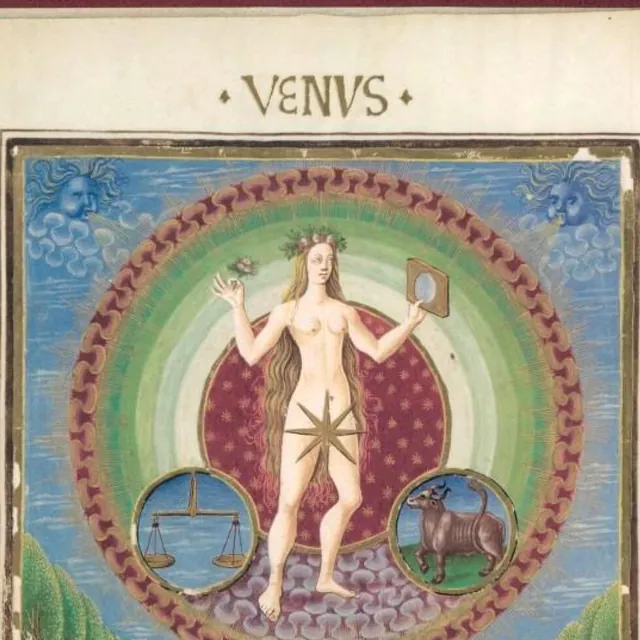
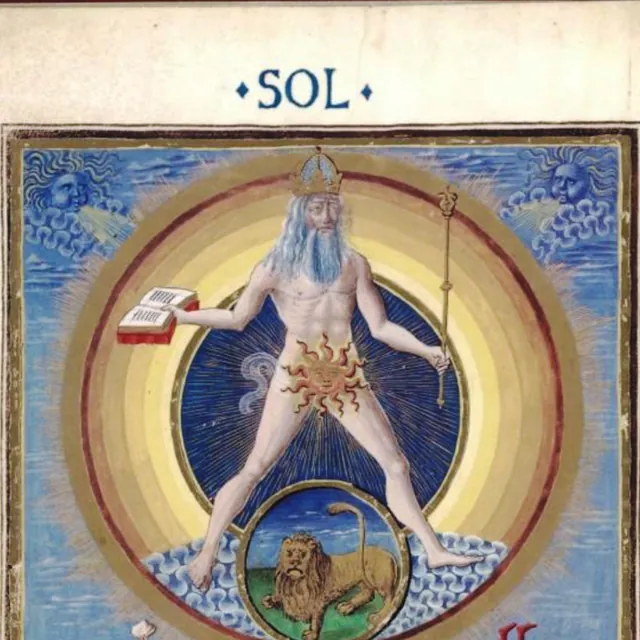
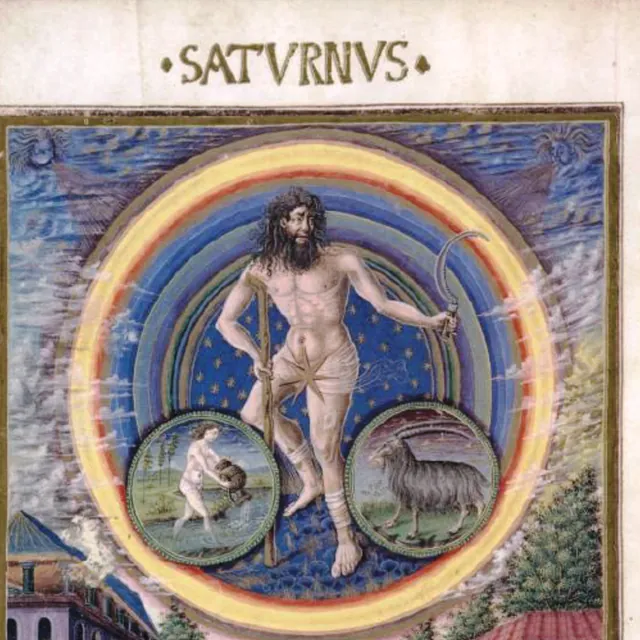
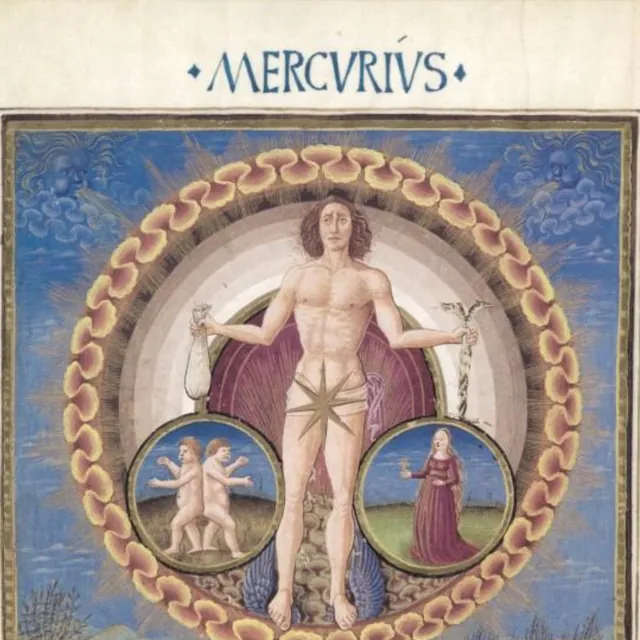
The symbols work like an alphabet, and it is worth knowing a few letters. The Sun speaks of identity and will, and the Moon, of emotional needs and of the reactions that arrive before thought. The Ascendant describes the way of arriving, what you notice in the first minutes of a conversation. Venus shows what someone values and how they show affection, and Mars, how they desire and how they react when contradicted. Mercury is the style of conversation, and Saturn, limits and defenses. Houses 5, 7 and 8 say where each person finds pleasure, partnership and deep intimacy. None of these factors is read alone: the reading comes from the crossing of sign, house, ruler and aspects, and that is what prevents the cliché that Scorpios are jealous.
The difficult side of the chart is what interests someone who is starting to get involved the most, and also what is treated worst. We can look at it always in pairs: the tendency and its constructive expression. A Moon in Pisces that is sensitive to rejection may, in a bad phase, disappear for two days; the same Moon, in a good phase, welcomes with a precision few people have. A retrograde Mars tends to keep anger in and to take time to speak, and the same Mars, when it decides, has persistence. Reading only the first side would be mistrust dressed up as astrology, and reading only the second would be flattery. The two together form a portrait.
What human question lives here? Perhaps the oldest of all questions about another person: can we know someone? Montaigne wrote in the Essays: “There is no desire more natural than the desire for knowledge.” Getting to know someone is a particular case of that desire, and it brings a tension, because the more we want to know, the more hurried we become, and almost everything that matters shows itself slowly. Heraclitus, in fragment 123, says that “Nature loves to hide”, and perhaps someone's nature does too. If so, the hurry to know is the surest way to stay on the surface, and the chart, used with care, works as a lantern: it lights up where to look, and only the time you spend together tells you what is there.
There is a tension in this investigation. If we read someone's chart to protect ourselves, can we tell care from control? And if we look in the symbols for confirmation of what we already suspect, can we notice that we are reading our own fear?
In practice, someone's chart is read in layers. The first gathers the positions that describe the person in the good moments: Sun, Ascendant, Mercury, Venus. The second gathers those that appear under pressure: Mars, Saturn, Pluto, the Moon and Lilith. The third is that of the questions, in which each theme becomes something that can be said in conversation, lightly, without the tone of an interrogation. Instead of concluding that someone fears commitment because Venus makes a tense aspect to Uranus, the more honest thing is to ask what freedom and exclusivity mean to her or to him. The answer, and the way it is given, is worth more than the symbol.
There is a practical detail almost nobody mentions: it is common to know someone's birthday and not the time they were born. Without the time, the chart loses the Ascendant and the houses, and the Moon may be in one of two signs that day. A good deal can still be read, because the planets and the aspects are still there, and a careful reading says clearly what was left out.
What the chart does not replace is what you can see. Actions reveal how someone treats others: whether they keep what they agree to, how they speak of those who are not present, what they do after a disagreement. A good rule is to write down, for a few weeks, what you observe, and only then go back to the chart to see whether it lights up what you saw. When behavior and symbol disagree, behavior wins. The decision to get closer, to wait or to step back remains yours, because no favorable position makes up for something that disrespects you, and no tense position prevents a caring relationship.
Who is this person? · R$ 97,00
Beyond first impressions: how they think, feel, love and react when things don't go as planned.
If you would like to turn this investigation into a reading, the analysis Who is this person? reads the birth chart of the person you're getting to know in three dimensions, the light, the shadow and the reality, and ends with questions to ask and behaviors to watch. If the relationship already exists, the Love Synastry: Couple Compatibility reads the two charts together, and the Love Chart reads your way of loving.
The question that remains is: who do you discover yourself to be when you are willing to get to know someone slowly?
Some questions that tend to come up about the chart of someone we are getting to know:
Can I read someone's chart without telling them? Technically the date, time and city of birth are enough, but the decent path is to have the consent of the person who was born: it is personal data, and the reading touches on intimacy. The simplest thing is to ask, and the question itself often makes for a good conversation.
Does the chart show whether someone will cheat on me? No. No position says whether someone is faithful, and Lilith, Pluto or the 8th house, on their own, do not indicate betrayal. The chart describes symbolic tendencies, and it is actions, over time, that show what someone chooses to do with them.
Do I need to know the birth time of the person I'm getting to know? It helps, but it is not required. Without the time, the chart loses the Ascendant and the houses, and the Moon may be in one of two signs that day. The planets and the aspects are still there, and a lot can be read from them.
What is Lilith in someone's chart? Lilith is a sensitive point associated with what each of us refuses to accept in ourselves or in others: desire, autonomy, what seems forbidden. It gains meaning through sign, house and aspects, and never on its own.
What is the difference between reading someone's chart and doing a synastry? Synastry compares two charts and reads the meeting between them. Reading one person's chart only describes that person, from their own birth sky, without depending on who is interested in them.
In short, the chart of someone you're getting to know does not decide for you or reveal intentions: it describes, in symbols, how the other person tends to think, feel, love and react under pressure, always with the difficult side accompanied by its constructive expression, and each theme becomes a question for the time you spend together. The decision to get closer, to wait or to step back remains yours.
Keywords birth chart of another person, Lilith, 8th house, Venus, Mars, consent
If what you want is this read in the chart of the person you're getting to know, with their way of thinking, loving and reacting under pressure, and with the questions worth asking, it is what the reading Who is this person? delivers. See the reading